The Complete Guide to Online Cycling Coaching
Not long ago, having a proper cycling coach meant either being a professional athlete or living in the same city as someone good enough to work with. If neither applied to you, you made do — following generic plans from magazines, copying what the fast riders in your club did, guessing.
That's changed completely. Today, online cycling coaching connects riders with coaches anywhere in the world, makes professional-level methodology accessible to amateurs and beginners, and does it at a fraction of the cost of in-person training. It's why the model has exploded.
But "online coaching" covers a huge range of things, from $15/month AI apps that generate workouts to genuine one-on-one relationships with experienced coaches who monitor your training, adjust your plan in real time, and work with your life, not against it. Knowing the difference matters, because one of those is coaching and the other is just software with a subscription fee.
This guide covers everything you need to know: what online cycling coaching actually is, how it works week-to-week, what to look for in a coach, who benefits most, and what you should reasonably expect to pay for something that actually moves the needle.
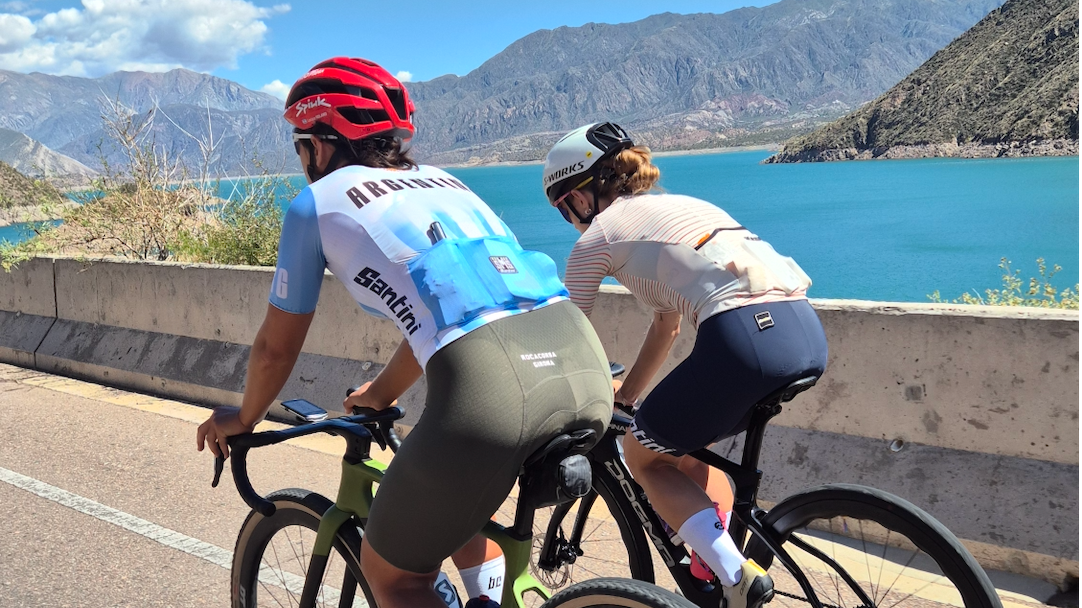
What Online Cycling Coaching Actually Is
Coaching is a relationship, not a product. A coach learns how you respond to training, what your life constraints are, where your weaknesses sit, and what your goals mean to you. Then they design a structure that addresses all of that — and keeps adjusting it as things change.
Online coaching delivers this relationship through digital tools rather than in-person contact. You train at home, at your local roads, in Mallorca, wherever. Your coach reviews your data — power, heart rate, cadence, RPE, how you felt, how you slept — and uses it to make decisions about what comes next.
What it is not: a training plan you buy once and follow. Preset plans are useful tools, but they aren't coaching. They don't know you had a terrible week at work, that your knee started acting up in week three, or that you're feeling surprisingly strong and could handle more load. A real coach does.
The best online coaching combines:
Individualized planning. Your training built around your physiology, your goals, your schedule, and your life. Not a template with your name on it.
Ongoing data analysis. Your coach reviews workouts regularly — not just at monthly check-ins, but as the weeks go by. They catch issues before they become problems.
Regular communication. This varies by coach and plan tier, but some form of regular contact matters. Training produces questions. A good coach answers them.
Real adjustability. Life happens. A good coaching relationship bends when it needs to — illness, travel, a week where work is brutal, a week where you feel incredible and can push harder. Rigid plans don't adapt. Coaches do.
How Online Cycling Coaching Works Week-to-Week
It starts with onboarding. A good coach will want to understand a lot before writing a single workout: your cycling history, how much time you have to train, your goals, any injuries, your current fitness level (often established with a field test), and what you actually enjoy about riding.
From that, your coach builds your training in blocks. A base phase builds aerobic capacity. A build phase adds intensity. A peak phase sharpens fitness for a target event. A recovery phase lets the body absorb all of it. The specifics vary by methodology, but this periodization framework is the foundation of serious cycling training and something generic apps simply can't replicate properly.
Week to week, the cycle is simple. You follow your scheduled workouts, log your training data (via Garmin, Wahoo, Strava, TrainingPeaks, or whatever your coach uses), and add notes about how things felt. Your coach reviews that data, adjusts if needed, and sends feedback. Repeat.
Monthly, you go deeper. Most coaching relationships include a check-in call or video meeting to discuss how training is sitting, any life changes coming up, and how confidence is building or not. Some coaches communicate via WhatsApp or direct message throughout the week for more immediate feedback.
At Camomille CC, that ongoing connection happens through WhatsApp. It keeps things immediate and human rather than formal and transactional.
Who Benefits Most from Online Cycling Coaching
The honest answer: most cyclists who ride with any regularity and care about improving.
That includes more people than you might think. You don't need to race. You don't need to be fast. You don't need to train fifteen hours a week. What you need is some combination of: goals you care about, time you want to spend on the bike, and a genuine desire to use that time better than you're currently using it.
Some profiles that benefit most:
Cyclists preparing for a target event. A gran fondo, a sportive, a multi-day trip through the mountains, a bucket-list climb. Having a target gives your training direction, and a coach makes sure you arrive ready rather than just hoping you are.
Riders who've plateaued. You've been riding for years. You're fit. But your times on familiar climbs aren't dropping anymore and you're not sure what to change. This is one of the most common coaching entry points. Plateaus usually have identifiable causes — too much moderate intensity, not enough recovery, imbalanced training loads — that a coach can spot quickly.
Cyclists who are time-constrained. Three or four hours a week to train is more than enough to improve significantly — if those hours are structured well. Without structure, those same hours can spin their wheels for months. Coaching makes limited time count.
Women returning to cycling or starting seriously. Generic training plans are overwhelmingly built around male physiology and male training responses. Female hormonal cycles affect recovery, tolerance for load, and adaptation in ways that a good coach accounts for and a generic plan ignores completely. This is a real gap, and it matters.
Beginners who want to do this properly from the start. Learning to train well early saves years of developing bad habits. Knowing how easy "easy" should feel, understanding why rest matters as much as hard sessions, and building a real aerobic base before hammering intensity — these aren't obvious without guidance.
What Makes a Good Cycling Coach
This matters more than almost any other factor in whether coaching works for you. A genuinely qualified, experienced coach will transform how you ride. An unqualified one will take your money and send you workouts.
Here's what to look for:
A real coaching credential. The UCI (Union Cycliste Internationale) coaching certification is the gold standard in cycling, combine with high physiology, biomechanic and anatomy knowledge. USA Cycling, British Cycling, and equivalent national federations offer recognized certifications as well. These aren't just titles — they require demonstrated knowledge of exercise physiology, training methodology, athlete monitoring, and practical coaching skills. Be skeptical of coaches whose only credential is that they used to ride fast.
Competitive experience — and the right kind. A coach who raced seriously understands what training for performance actually feels like from the inside. They know what it means to be in form, to be overtrained, to peak for an event, to come back from setbacks. This lived experience matters. It's different from theory. At the same time, racing experience alone isn't coaching experience — the best coaches combine both.
A methodology they can explain. Ask any coaching candidate how they structure a training block. If they can't articulate their approach — if they default to vague answers about "listening to the athlete" without any underlying framework — walk away. Good coaches have a methodology they've thought through and can defend.
Communication style that matches yours. This is underrated. You'll be sharing how you feel, what's working, what's not, and sometimes things that are frustrating or discouraging. If the communication style feels formal, detached, or just doesn't click, the relationship won't work regardless of technical qualifications.
A holistic view of performance. The best coaches understand that cycling performance isn't just about watts and heart rate. Sleep, nutrition, stress, mental approach, and emotional state all affect how you train and how you race. A coach who only talks about training load is missing half the picture.
About Luli Roland. Luli coaches at Camomille CC, she brings UCI Level III certification combine with Course in Advance Science Cycling (UCI & University of Laussane) and physiotherapist, a career as a professional racer — including the Pan-American Championship title and multiple Argentine national championships — and a coaching approach that explicitly integrates physical periodization with mental performance work, bioemotional decoding, and ontological coaching. Her background is unusual. Most coaches have one or two of these things. She has all of them.
The Difference Between Coaching Tiers
Most online coaching services offer multiple tiers. Understanding what each actually includes helps you decide what you need.
Essential
Master the fundamentals to become a better athlete with professional guidance. This plan gives you structure, clarity, and expert design to make you a better cyclist.
Advance
Unlimited personal coaching to help you reach your goals. With weekly updates, in-depth analysis, and consistent communication, your training evolves as you do.
Pro
360 approach to raise your cycling performance. A complete programme that unites cycling, nutrition, strength, and recovery for riders who want the full version of professional coaching.
At Camomille CC, the three tiers — Essential, Advance, and Pro — follow this logic. The right tier depends on how much you want the coach involved in the day-to-day and how actively you're targeting performance improvement.
One thing worth saying: more expensive isn't always better. A highly qualified coach at the mid-level tier who communicates well and adjusts your training thoughtfully will outperform an expensive but inattentive coach at the pro tier. The relationship matters more than the price bracket.
What Coaching Looks Like in Practice: A Typical Month
To make this concrete, here's what a month of online cycling coaching actually looks like for a typical Camomille CC athlete:
Week 1 — First block begins. Three to four sessions scheduled across the week — a long aerobic ride, one structured interval session, one recovery ride. Data logged after each. Coach checks in mid-week via WhatsApp.
Week 2 — Life interrupts, coaching adapts. Training load increases slightly. Athlete travels for work on Thursday and can't do the scheduled interval session. Notifies coach via WhatsApp. Coach adjusts the week in real time — swaps Thursday for an easier aerobic session the athlete can do at a hotel gym, keeps the overall weekly load reasonable.
Week 3 — The peak of the block. Load peaks. Two harder sessions in the week. Athlete reports feeling tired — normal at this point in a block — and coach explains what's happening physiologically, which manages expectation and keeps motivation intact.
Week 4 — Recovery week. Load drops significantly. Body absorbs the training stimulus from the previous three weeks. Athlete notices they feel surprisingly strong by the end of the week — this is adaptation happening.
End of month — Check-in call. Review the block, discuss how training is sitting, plan the next phase based on upcoming life constraints and the target event on the calendar.
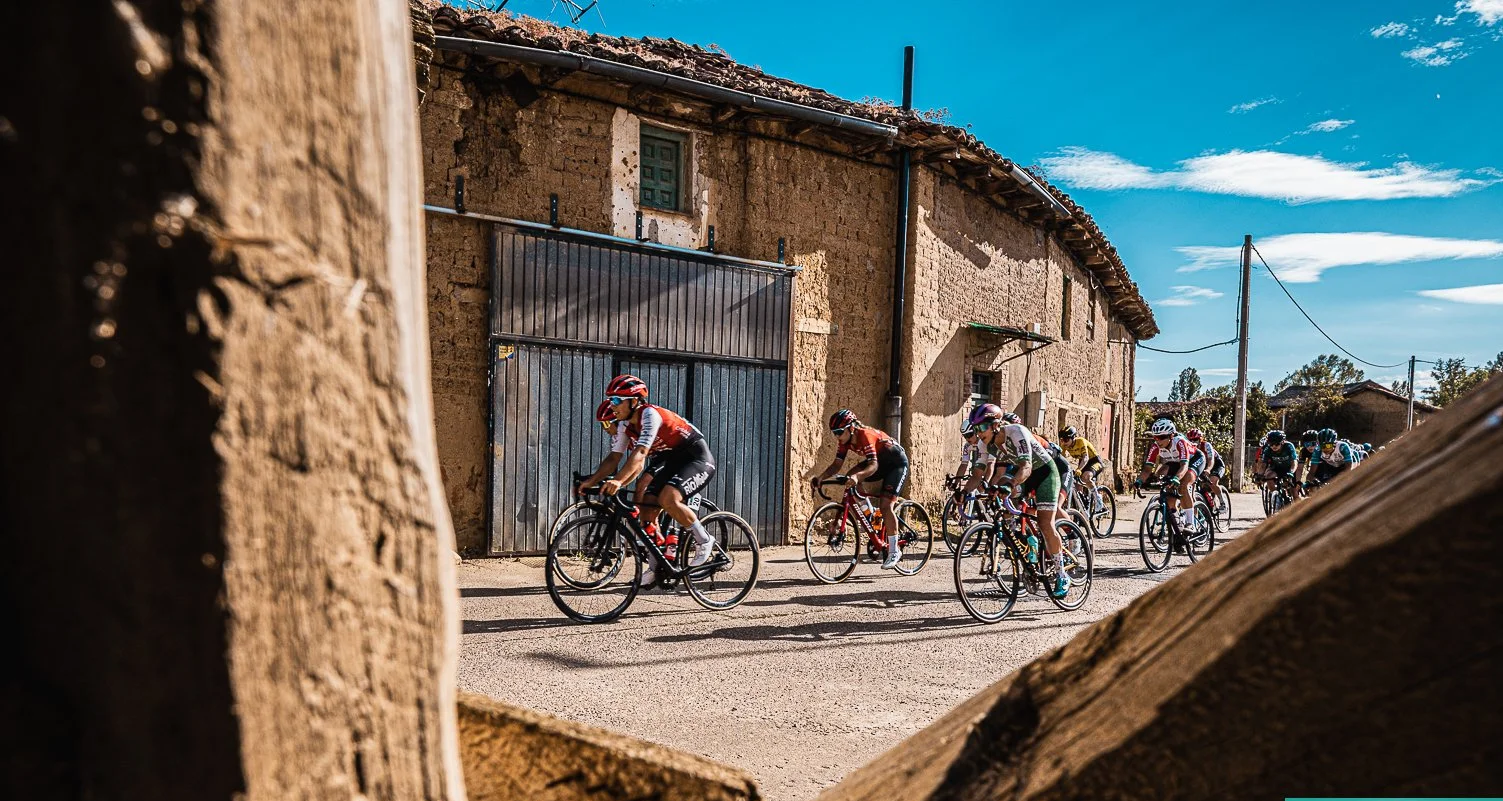
Common Questions About Online Cycling Coaching
Do I need a power meter? Not to start. Heart rate training is entirely viable and many athletes train effectively with it for years. A power meter gives more objective data and opens up a wider range of structured workouts, but it's not a requirement. Your coach should be able to work with whatever you have.
How long until I see results? Meaningful fitness changes typically take 6 to 8 weeks to appear. You'll likely feel more organized and purposeful in your training sooner than that. If you're not seeing any change after 12 weeks, that's a signal to review what's happening — with your coach, not on your own.
What if I miss sessions? Life happens. Missing sessions is part of training at any level. What matters is how you respond — continuing rather than abandoning the plan, communicating with your coach when disruption is significant, and not trying to cram missed sessions in at the wrong time. A good coach will help you navigate this.
Can I do group rides while being coached? Yes. Group rides can be built into your training, used as specific sessions, or scheduled on appropriate days. The key is that your coach knows about them so they can account for the load.
Is online coaching as effective as in-person? For most cyclists, yes. The performance gains from structured training come from the quality of the plan and the quality of feedback, not from the coach physically being present. The data available through modern devices gives an online coach an extremely detailed picture of every session.
How to Get Started
If you've made it to the end of this guide, you probably know whether coaching is something you want to explore.
The next step is a conversation — not a commitment. At Camomille CC, every new athlete starts with a free consultation where Luli maps your goals, your current fitness, your schedule, and your life constraints, and explains what a coaching relationship would actually look like for you specifically. No generic pitch, no pressure.
If it fits, you move forward. If it doesn't, you leave the call with a clearer picture of your training than you came in with.
Ready to get specific? Read how to train for your first gran fondo, or understand what Zone 2 training is and why it's the foundation of every serious cycling program.
